Turkey needs a new constitution to save its democracy
By Fethullah Gulen
Financial Times – March 10, 2014
A small group in the executive is holding the country to ransom, says Fethullah Gulen
Trust and stability are fundamental to a nation’s development and to how the world perceives it. There is inherent trust in a democratic and accountable government that respects the rule of law. Turkey painstakingly built this trust over the past decade. Until recently it was seen as an example of a country that prospered while maintaining a democratic government run by observant Muslim leaders.
No longer. A small group within the government’s executive branch is holding to ransom the entire country’s progress. The support of a broad segment of the Turkish public is now being squandered, along with the opportunity to join the EU.
Several recent actions of the Turkish government have drawn strong criticism from the EU and other western countries – among them, a law that gives the justice minister powers to appoint and discipline judges and prosecutors; a bill to curb internet freedoms; and a draft law that would give Turkey’s intelligence agency powers akin to those claimed by dictatorial regimes.
After decades of coups and political dysfunction, the ruling AK party’s attempt to end military interference in domestic politics was necessary. Democratic reforms towards that end were praised by the EU and supported by a majority of Turks, as evidenced in the 2010 constitutional referendum.
But the dominance in politics that was once enjoyed by the military now appears to have been replaced by a hegemony of the executive. A dark shadow has been cast over achievements of the past decade – the result of insidious profiling of certain groups of Turkish citizens for their views, constant shuffling of civil servants for political convenience, and an unprecedented subjugation of the media, the judiciary and civil society.
The only way for the Turkish government to restore trust at home and regain respect abroad is by renewing its commitment to universal human rights, the rule of law and accountable governance.
This commitment must include a new, democratic constitution, drafted by civilians. Democracy does not conflict with Islamic principles of governance. Indeed, the ethical goals of Islam, such as protection of life and religious freedom, are best served in a democracy where citizens participate in government.
We also need to embrace certain values that form the fabric of a thriving nation. One such value is respect for diversity of all kinds – religious, cultural, social and political. This does not mean compromising on our beliefs. On the contrary, accepting every person – regardless of colour or creed – as a dignified creature of God demonstrates respect for the free will God has given all human beings.
The reductionist view of seeking political power in the name of a religion contradicts the spirit of Islam
Freedom of thought and expression are indispensable ingredients of democracy. Turkey’s poor showing in rankings of transparency and media freedom is disappointing. Mature people welcome criticism – which, if true, helps us improve. But we should criticise misguided ideas and actions, rather than individuals, to avoid creating unnecessary tensions.
The reductionist view of seeking political power in the name of a religion contradicts the spirit of Islam. When religion and politics are mixed, both suffer – religion most of all. Every segment of Turkish society has a right to be represented in government. But the Turkish state has long discriminated against citizens and public servants on the basis of their views. Democratic inclusion will encourage people to disclose personal beliefs without fear of persecution.
Since the 1970s, participants in the Hizmet movement, who come from all walks of life, have worked to provide equal opportunity for all, through educational institutions, relief organisations and other civil society projects. Their primary motivations are intrinsic, as they seek to find happiness in the happiness of others.
Hizmet participants – and I consider myself one of them – are not political players and have no interest in the privileges of power. This is evident from their personal and financial commitment to humanitarian aid, education and dialogue, as well as their purposeful absence from political office.
Apart from encouraging citizens to vote, I have never endorsed or opposed a political party or candidate, and will refrain from doing so in future. I trust the wisdom of Turkish people and believe they will preserve democracy and hold the interests of the nation above partisan political concerns.
I have spent the past 15 years in spiritual retreat and, irrespective of what happens in Turkey, I intend to continue to do so. I pray that Turkey sees its current troubles as an opportunity to advance democracy, freedom and the rule of law. And I believe that by renewing our commitment to fundamental democratic principles, we can re-establish trust and stability and revive the Turkish example that had become an inspiration for the region and the world
The writer is a Muslim scholar and honorary chairman of the Journalists and Writers Foundation in Istanbul
Source: http://www.ft.com/cms/s/0/31966a74-a623-11e3-8a2a-00144feab7de.html#axzz3EQq00Rti
Showing posts with label journalists and writers foundation. Show all posts
Showing posts with label journalists and writers foundation. Show all posts
Friday, March 14, 2014
Monday, August 12, 2013
Honorary President Fethullah Gulen Awarded Manhae Peace Prize
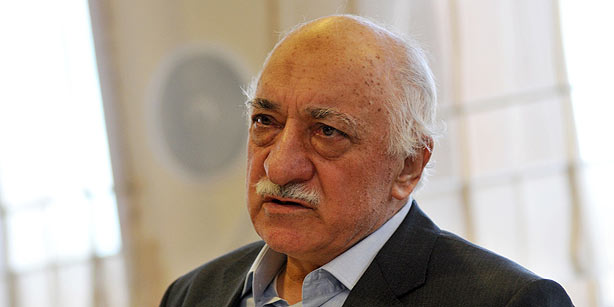
Well-respected Turkish intellectual and scholar Fethullah Gülen was awarded the Manhae Peace Prize for his contributions to world peace at a ceremony held in South Korea on Sunday.
Among the prominent recipients of the Manhae awards since they were first presented in 1997 are former South African President Nelson Mandela, exiled Tibetan spiritual leader the Dalai Lama and Iranian rights advocate Shirin Ebadi.
Introductory comments about Gülen and the Hizmet movement before the presentation of the awards stressed that students from various cultures and religions receive an education at schools opened by Gülen's followers in different corners of the world. It was also noted that these schools play an important role in the establishment of world peace.
Journalists and Writers Foundation (GYV) President Mustafa Yeşil received the prestigious award on behalf of Gülen, who was not able to attend the award ceremony due to health problems. The award ceremony took place in Inje County in Kangwondo province.
GYV's Yeşil, who delivered a speech at the event after receiving Gülen's award, said the goals and ideals of the Hizmet movement are to help people and to make lives better without expecting anything in return and to work for world peace.
“Mr. Gülen has emphasized that he is accepting this award not for himself, but on behalf of the volunteers who work for humanity and peace. I find it meaningful that this award named after Manhae, who sought to become an ideal person and who made big sacrifices for his homeland, is being given to Mr. Gülen.” Yeşil said.
Yeşil also offered his thanks to the İstanbul Culture Center based in South Korea for its effort to promote dialogue, adding that the center helps establish strong bridges between Turkey and South Korea.
Gülen is a Turkish Islamic scholar well-known for his teachings promoting mutual understanding and tolerance between cultures. Now residing in the US, he has pioneered educational activities in a number of countries, along with efforts to promote intercultural and interfaith activities around the world. He has written nearly 50 books in Turkish, some of which have been translated into several languages.
Professor Lee Hee-soo, an expert on the Middle East and a lecturer at Hanyang University, talked about the peace prize being given to Gülen.
“Manhae was our leader who fought for South Korea's independence throughout his life. He is also a national poet who is loved much by the public. It is very significant that this prize is being given to Fethullah Gülen, who makes great efforts for dialogue between cultures and religions. I also think this prize will help improve relations between Turkey and South Korea,” he said.
Founding President of the Asian Journalists Association Lee Sang-gi said schools inspired by Gülen make a great contribution to world peace.
“Mr. Gülen is an important personality due to his contribution to education in Turkey and across the world,” he said.
SOURCE: http://todayszaman.com/news-323277-turkish-islamic-scholar-gulen-awarded-manhae-peace-prize.html


Thursday, June 9, 2011
TV NEWS - EastWest Institute presents Fethullah Gulen with 2011 Peace Building Award
Below is the TV news for the presentation of Rumi Forum's Hon. President Fethullah Gulen with the East West Institute's 2011 Peace Building Award
Friday, January 21, 2011
MEDIA - Gülen movement challenges Islamophobia, contributes to peace
An interesting piece quoting Dr Helen Ebaugh from Texas

American sociology professor Helen Rose Ebaugh, who is also the author of a book analyzing the Gülen movement, said the movement is a powerful challenge to the fears that people have after the 9/11 attacks and also praised the movement for its tremendous contribution to world peace.
The professor visited İstanbul last week upon an invitation from the Journalists and Writers Foundation (GYV) and shared her opinion with Sunday’s Zaman. Ebaugh is known for her book titled “The Gülen Movement: A Sociological Analysis of a Civic Movement Rooted in Moderate Islam.”
“I do not think there are people in Houston who are afraid of this movement. Rather I think that a lot of people are realizing that the emphasis on education and interfaith dialogue [by the Gülen movement] is exactly what we need to hear from the Muslim world.
So I see it as a powerful challenge to the fears that people have after 9/11,” by which Ebaugh was referring to the growing trend of Islamophobia in the Western world.
The Gülen movement is inspired by internationally renowned Turkish scholar and intellectual Fethullah Gülen.
For the professor, the best way to overcome any kind of prejudice is one on one, getting to know people who challenge your stereotypes. “As long as the [Gülen] movement stays clean and there is not any terrorism or violence in it, people will continue to call it ‘peace loving’ on the whole,” she added.
Ebaugh also said the movement was contributing to world peace tremendously. She praised the launch of Abant platforms that bring together people from different positions for dialogue. She believes these efforts help to make a more peaceful world for all nations.
In response to a question about Gülen’s critics, the professor said she takes the criticisms quite seriously, but critics fail to provide data about their concerns.
“In a way I can understand their concerns. Nobody wants an Islamic state like Iran. People want women to have freedom within a movement. Nobody wants secret societies lurking around, so their concerns are legitimate. It’s just that I don’t see any data and nothing from my interviews connects those concerns with what I see in the movement. And I say to these critics over and over again: ‘Please give me data. I’m a scientist -- show me where your fears come from,’ but nobody produces data to show that it is more than just fear. It is ideology.”
Ebaugh is surprised most by “the fear that the movement is trying to infiltrate the military and the government in order to plan a takeover.” She said: “Some of these critics were convinced that that’s about to happen. I was surprised to see how sure they were of this, but they said to me, ‘Everybody knows this.’ I said: ‘I don’t know it. I need some names. I need some data,’ but that could never be produced. I was surprised how adamant people were in their convictions that this is what was happening. The other thing that surprised me was that over 50 percent of these critics had never met anybody in the movement, but they were part of a group that thought the same way; also many of them read Cumhuriyet [newspaper] and were getting a lot of their sources there. I was amazed at how few of them had first hand experience with people in the movement.”
What attracted the professor to the Gülen movement was the protest raised by Fethullah Gülen in the wake of the 9/11 attacks.
“After 9/11 I was looking for Muslims who would speak up and challenge the terrorism. And 11 days after the attack, Mr. Gülen protested the attack,” she said.
For her, there are civil movements similar to the Gülen movement in other parts of the world, but what distinguishes the Gülen movement from others is that it is a “decentralized” movement. “This is very important. Because rather than going from top to down, it goes from down to top. And this gives dynamism and commitment to the movement.”
Financial transparency
In response to a question on the financial transparency of the Gülen movement, Ebaugh said: “The chief administrators of these institutions were very open about the initial money, where their current operating budget comes from. They opened up their books to me. I found a lot of transparency,” she said.
The professor started her research on the Gülen movement on its financial resources, and she interviewed people from the movement from the richest to the poorest.
She noted that everyone being suspicious about what was behind the scenes was mainly because the movement was acting in many areas of life. In her experience people have been very forthright about their financial transactions. She said she found no reason to suspect any other financial action “on the side.”
Asked whether she was satisfied about the answers she got regarding the funding of the movement, Ebaugh said: “I felt I had answered my basic question. When you realize that most people are giving an average 10 percent and multiply that by millions in the world, you get big figures. Plus, many of these projects become self-supporting, such as the schools.”
Ebaugh said she believed the main reason for the worldwide respect for the Gülen movement -- such as some countries allocating land for Gülen schools -- was the movement’s “good works” and “good hearts.” She said: “Everybody wants to educate young people. I mean that’s the start of a basic human value, so here are these people coming and emphasizing basic human values, tolerance and interfaith dialogue. And this isn’t just wishes floating in the sky. The volunteers in the movement are effective, they get results.”
What impresses the professor about volunteers in the movement who travel to other parts of the world to educate people is their “dedication.” She said the “education volunteers” are very dedicated to the beliefs and values of the movement, and they are willing to give of themselves to have the movement attain its objectives.
Social status of Gülen school students
Ebaugh also shared her opinions about the class structure of the followers of the movement. She said: “I think it’s appealing to all ranks of society in different ways. With Kimse Yok Mu [Is Anybody There], it’s addressing people in dire need, in disasters, in whatever. Many of the schools are in minority areas, but they are also attracting middle class and wealthier children who can afford the tuition, and then a lot of the luncheons and dialogue activities are drawing politicians, businessmen and leaders in the community. So I think it is addressing all different levels, maybe in different ways, but there is something for everybody.”
In her book, Ebaugh tells of her experiences talking to people who donate to the movement. During the interview, she shared a similar story. “I was touched by these workers. For example, one of the workers said he was laid off from his job and had no income so for several months he couldn’t give anything to the movement; however, he went and volunteered in one of the schools while he was looking for a job because he felt that that if he couldn’t give his money he could give his time.”
“For many of them it is a burden, but they still do it,” she said.
She also underlined that she did not meet Fethullah Gülen and does not want to because she is more interested in how his words and opinions impact people’s lives.
“I am basically a social scientist. And I am very committed to the use of the scientific method to study a phenomenon. So I was afraid that if I met Mr. Gülen, my readers would say I was saying what he wants me to say. I needed to keep a distance. I wanted to be objective as an outsider. I could give a better analysis in this way.”
SOURCE: click here
SEE ALSO :

American sociology professor Helen Rose Ebaugh, who is also the author of a book analyzing the Gülen movement, said the movement is a powerful challenge to the fears that people have after the 9/11 attacks and also praised the movement for its tremendous contribution to world peace.
The professor visited İstanbul last week upon an invitation from the Journalists and Writers Foundation (GYV) and shared her opinion with Sunday’s Zaman. Ebaugh is known for her book titled “The Gülen Movement: A Sociological Analysis of a Civic Movement Rooted in Moderate Islam.”
“I do not think there are people in Houston who are afraid of this movement. Rather I think that a lot of people are realizing that the emphasis on education and interfaith dialogue [by the Gülen movement] is exactly what we need to hear from the Muslim world.
So I see it as a powerful challenge to the fears that people have after 9/11,” by which Ebaugh was referring to the growing trend of Islamophobia in the Western world.
The Gülen movement is inspired by internationally renowned Turkish scholar and intellectual Fethullah Gülen.
For the professor, the best way to overcome any kind of prejudice is one on one, getting to know people who challenge your stereotypes. “As long as the [Gülen] movement stays clean and there is not any terrorism or violence in it, people will continue to call it ‘peace loving’ on the whole,” she added.
Ebaugh also said the movement was contributing to world peace tremendously. She praised the launch of Abant platforms that bring together people from different positions for dialogue. She believes these efforts help to make a more peaceful world for all nations.
In response to a question about Gülen’s critics, the professor said she takes the criticisms quite seriously, but critics fail to provide data about their concerns.
“In a way I can understand their concerns. Nobody wants an Islamic state like Iran. People want women to have freedom within a movement. Nobody wants secret societies lurking around, so their concerns are legitimate. It’s just that I don’t see any data and nothing from my interviews connects those concerns with what I see in the movement. And I say to these critics over and over again: ‘Please give me data. I’m a scientist -- show me where your fears come from,’ but nobody produces data to show that it is more than just fear. It is ideology.”
Ebaugh is surprised most by “the fear that the movement is trying to infiltrate the military and the government in order to plan a takeover.” She said: “Some of these critics were convinced that that’s about to happen. I was surprised to see how sure they were of this, but they said to me, ‘Everybody knows this.’ I said: ‘I don’t know it. I need some names. I need some data,’ but that could never be produced. I was surprised how adamant people were in their convictions that this is what was happening. The other thing that surprised me was that over 50 percent of these critics had never met anybody in the movement, but they were part of a group that thought the same way; also many of them read Cumhuriyet [newspaper] and were getting a lot of their sources there. I was amazed at how few of them had first hand experience with people in the movement.”
What attracted the professor to the Gülen movement was the protest raised by Fethullah Gülen in the wake of the 9/11 attacks.
“After 9/11 I was looking for Muslims who would speak up and challenge the terrorism. And 11 days after the attack, Mr. Gülen protested the attack,” she said.
For her, there are civil movements similar to the Gülen movement in other parts of the world, but what distinguishes the Gülen movement from others is that it is a “decentralized” movement. “This is very important. Because rather than going from top to down, it goes from down to top. And this gives dynamism and commitment to the movement.”
Financial transparency
In response to a question on the financial transparency of the Gülen movement, Ebaugh said: “The chief administrators of these institutions were very open about the initial money, where their current operating budget comes from. They opened up their books to me. I found a lot of transparency,” she said.
The professor started her research on the Gülen movement on its financial resources, and she interviewed people from the movement from the richest to the poorest.
She noted that everyone being suspicious about what was behind the scenes was mainly because the movement was acting in many areas of life. In her experience people have been very forthright about their financial transactions. She said she found no reason to suspect any other financial action “on the side.”
Asked whether she was satisfied about the answers she got regarding the funding of the movement, Ebaugh said: “I felt I had answered my basic question. When you realize that most people are giving an average 10 percent and multiply that by millions in the world, you get big figures. Plus, many of these projects become self-supporting, such as the schools.”
Ebaugh said she believed the main reason for the worldwide respect for the Gülen movement -- such as some countries allocating land for Gülen schools -- was the movement’s “good works” and “good hearts.” She said: “Everybody wants to educate young people. I mean that’s the start of a basic human value, so here are these people coming and emphasizing basic human values, tolerance and interfaith dialogue. And this isn’t just wishes floating in the sky. The volunteers in the movement are effective, they get results.”
What impresses the professor about volunteers in the movement who travel to other parts of the world to educate people is their “dedication.” She said the “education volunteers” are very dedicated to the beliefs and values of the movement, and they are willing to give of themselves to have the movement attain its objectives.
Social status of Gülen school students
Ebaugh also shared her opinions about the class structure of the followers of the movement. She said: “I think it’s appealing to all ranks of society in different ways. With Kimse Yok Mu [Is Anybody There], it’s addressing people in dire need, in disasters, in whatever. Many of the schools are in minority areas, but they are also attracting middle class and wealthier children who can afford the tuition, and then a lot of the luncheons and dialogue activities are drawing politicians, businessmen and leaders in the community. So I think it is addressing all different levels, maybe in different ways, but there is something for everybody.”
In her book, Ebaugh tells of her experiences talking to people who donate to the movement. During the interview, she shared a similar story. “I was touched by these workers. For example, one of the workers said he was laid off from his job and had no income so for several months he couldn’t give anything to the movement; however, he went and volunteered in one of the schools while he was looking for a job because he felt that that if he couldn’t give his money he could give his time.”
“For many of them it is a burden, but they still do it,” she said.
She also underlined that she did not meet Fethullah Gülen and does not want to because she is more interested in how his words and opinions impact people’s lives.
“I am basically a social scientist. And I am very committed to the use of the scientific method to study a phenomenon. So I was afraid that if I met Mr. Gülen, my readers would say I was saying what he wants me to say. I needed to keep a distance. I wanted to be objective as an outsider. I could give a better analysis in this way.”
SOURCE: click here
SEE ALSO :
Subscribe to:
Posts (Atom)